On November 21, 2025, the Chinese Academy of Sciences (CAS) and the Chinese Academy of Engineering (CAE) announced the results of the 2025 academician election.
Professor Zhang Wanbin of the School of Chemistry and Chemical Engineering at Shanghai Jiao Tong University (SJTU) has been elected an academician of the Chinese Academy of Sciences;
Professor Fang Jingyuan of Renji Hospital, School of Medicine, SJTU, has been elected as an academician of the Chinese Academy of Sciences;
Professor Zhang Wenjun of the School of Integrated Circuits (School of Information and Electronic Engineering) has been elected as an academician of the Chinese Academy of Engineering;
Professor Sun Baode of the School of Materials Science and Engineering has been elected as an academician of the Chinese Academy of Engineering.
Zhang Wanbin
Academician of the Chinese Academy of Sciences
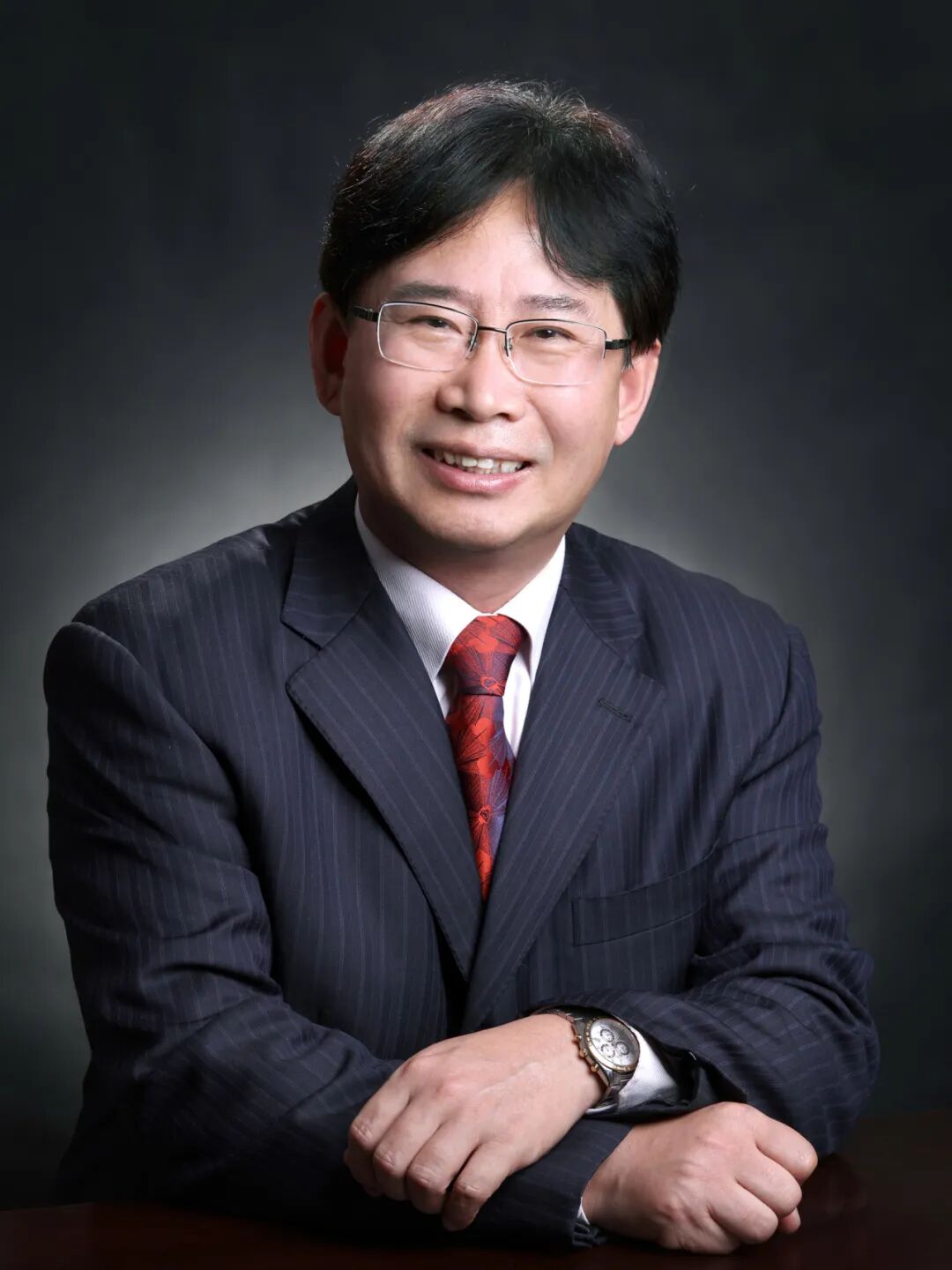
Profile
Zhang Wanbin, born in November 1964 in Anyang, Henan Province, is a CPC member and a K. C. Wong Endowed Chair Professor at Shanghai Jiao Tong University. He serves as Director of the Shanghai Key Laboratory of Chiral Drug Molecular Engineering and Director of the SJTU Zhengzhou Research Institute.
Professor Zhang has long been engaged in fundamental and applied research on asymmetric catalysis, addressing a number of major scientific questions and key technical challenges in the field. He has published over 300 papers in top journals including Science, Nature Chemistry, Journal of the American Chemical Society, Angewandte Chemie International Edition, and CCS Chemistry. His work has enabled breakthroughs in the industrial synthesis of chiral drugs and fragrances such as bedaquiline, artemisinin, brivaracetam, menthol, carvone, and sandalwood compounds. Many of these achievements have been successfully industrialized, generating significant social and economic impact.
His research has been recognized with awards including the Second Prize of the National Natural Science Award, the First Prize of the Shanghai Natural Science Award, the First Prize of the China Industry-University-Research Cooperation Innovation Achievement Award, and the Special Prize of the Shanghai Industry-University-Research Cooperation Award. He has devoted more than 30 years to teaching and curriculum development, receiving numerous accolades including the Baosteel Outstanding Teacher Grand Prize, Shanghai Model Worker, and National “Ten-Thousand Talents Program” Teaching Master.
He was elected as an academician of the Chinese Academy of Sciences in 2025.
Fang Jingyuan
Academician of the Chinese Academy of Sciences
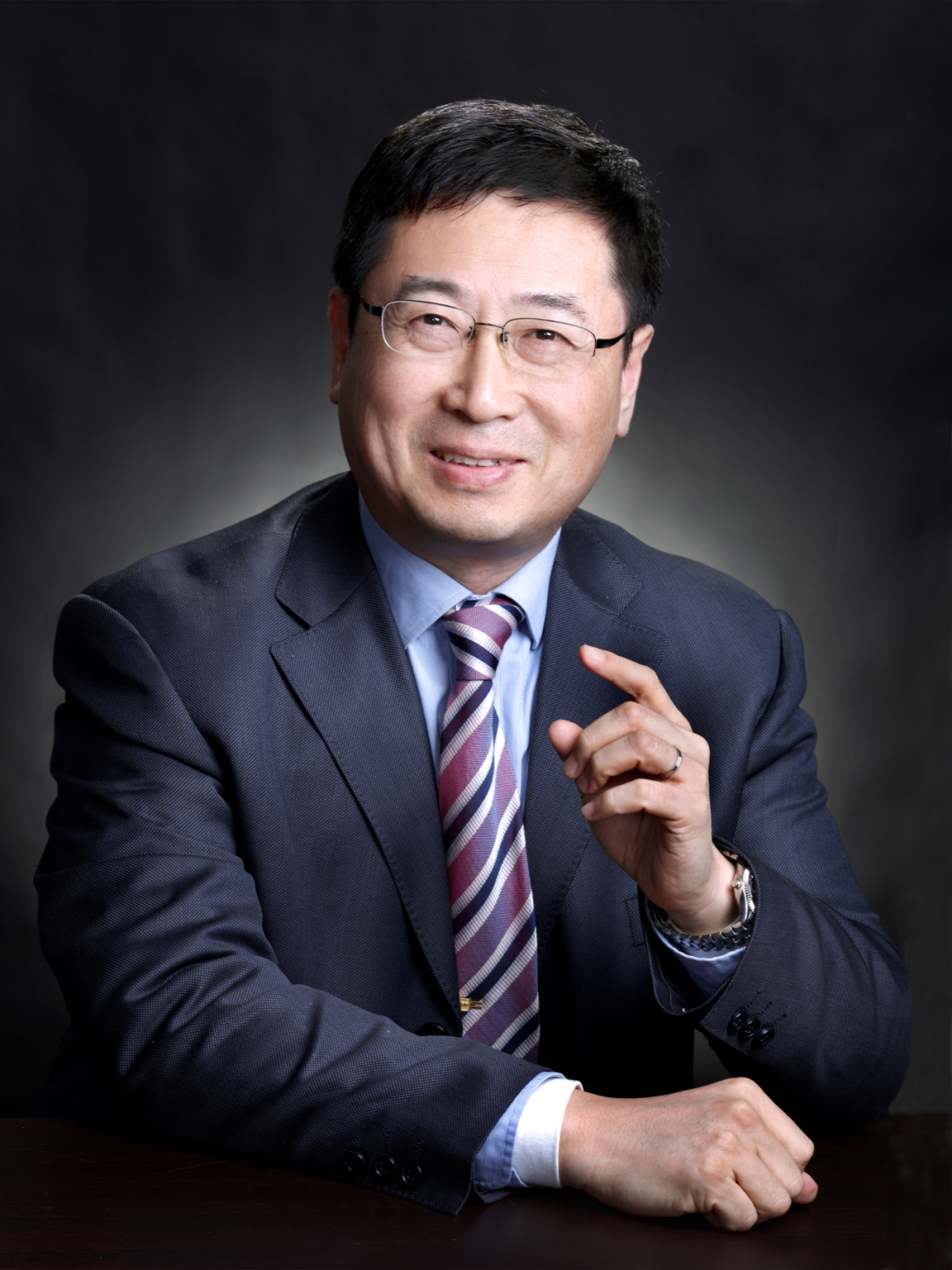
Profile
Fang Jingyuan, born in December 1961 in Weifang, Shandong Province, is a CPC member, medical doctor, professor, chief physician, and doctoral advisor. He currently serves as Dean of the Institute of Gastroenterology at SJTU School of Medicine, Director of the Gastroenterology Center of Renji Hospital, Executive President of Renji Anhui Hospital, Director of the Shanghai Institute of Digestive Disease, and Director of the Shanghai Clinical Quality Control Center for Gastroenterology, among other major positions.
Professor Fang is a leading expert in gastroenterology, known for his pioneering contributions to the diagnosis, treatment, and prevention of gastrointestinal cancers and precancerous diseases. He has made groundbreaking discoveries in areas including the role of the microbiome in gastrointestinal tumorigenesis and chemoprevention strategies for gastrointestinal cancer. His research has advanced China’s studies on gut microbiota and colorectal cancer from clinical practice to foundational and translational research, strengthening China’s international presence in this field.
He has published extensively in journals such as Cell, Cell Metabolism, Cell Host & Microbe, Nature Microbiology, Nature Reviews Clinical Oncology, Nature Reviews Microbiology, The Lancet Oncology, and The Lancet Global Health. He has led the drafting of seven clinical guidelines and consensus statements and has twice received the Second Prize of the National Science and Technology Progress Award.
He was elected as an academician of the Chinese Academy of Sciences in 2025.
Zhang Wenjun
Academician of the Chinese Academy of Engineering
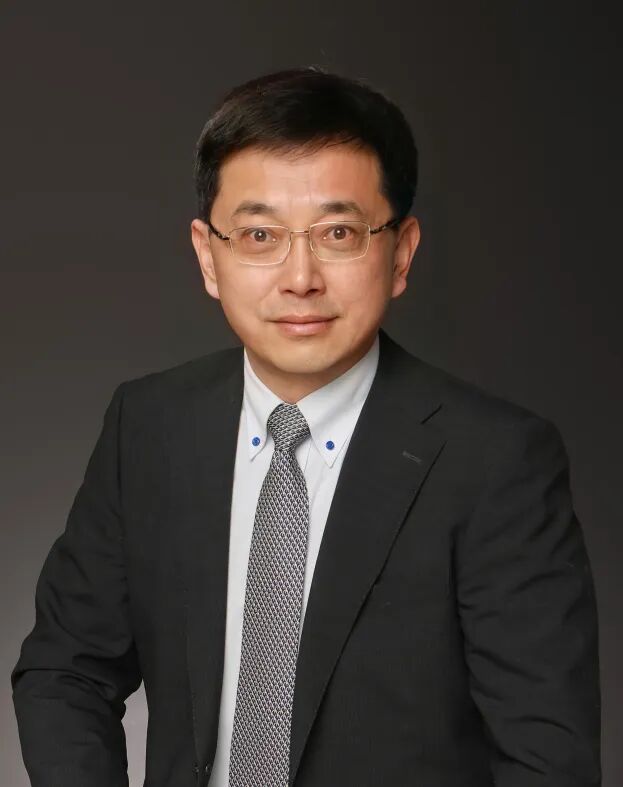
Profile
Zhang Wenjun, born in October 1963 in Qingdao, Shandong Province, is a CPC member and an internationally recognized expert in video communication and information systems. He is a Chair Professor at SJTU, Director of the Institute of Image Communication and Network Engineering, and Director of the Collaborative Innovation Center for Future Media Networks. He is also a Fellow of the Chinese Institute of Electronics and an IEEE Fellow.
Professor Zhang has dedicated three decades to advancing image coding and communication, media-network convergence, broadband wireless transmission, and audiovisual system-on-chip design. He led the development of China’s first high-definition television broadcast prototype system, participated in establishing national standards for digital television broadcasting, and contributed to international media network standards. His work has enabled the localization of core digital TV receiver chips and secured key intellectual property for China in global media technology.
He has received four Second Prizes of the National Science and Technology Progress Award, the China Patent Gold Award, the Ho Leung Ho Lee Science and Technology Progress Award, and the Shanghai Science and Technology Meritorious Service Award.
He was elected as an academician of the Chinese Academy of Engineering in 2025.
Sun Baode
Academician of the Chinese Academy of Engineering
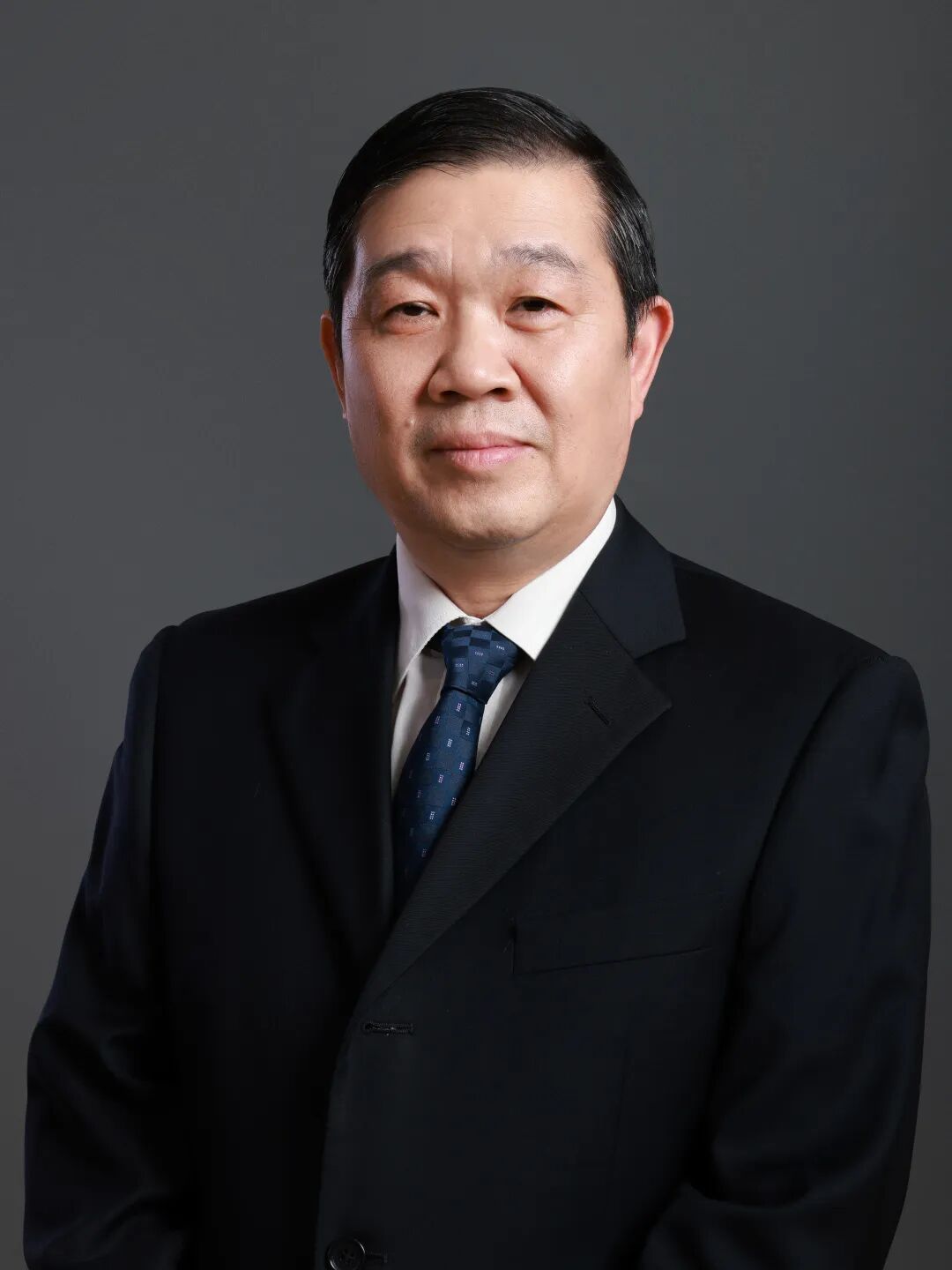
Profile
Sun Baode, born in April 1963 in Baoji, Shaanxi Province, is a CPC member and Chair Professor at SJTU. He serves as Director of the Shanghai Key Laboratory for Advanced High-Temperature Materials and Precision Forming, and Assistant Director of the Suzhou Laboratory.
Professor Sun has long focused on metal materials and solidification science. Addressing major national needs, he has advanced data-driven modeling and field-enhanced solidification principles, developed defect-control theories for large, complex thin-walled superalloy castings, and created anti-gravity precision casting technologies. He has also established new mechanisms for aluminum alloy refinement and proposed innovative methods for purifying molten aluminum using external fields. His achievements have solved key bottlenecks in materials performance, supporting major national projects in aerospace, ultra-high-voltage transmission, and integrated circuits.
His work has earned him two Second Prizes of the National Technological Invention Award as first contributor, along with multiple first-class provincial and ministerial awards. He has published more than 350 SCI papers and holds over 200 patents, including more than 20 international patents.
He was elected as an academician of the Chinese Academy of Engineering in 2025.
Warm congratulations to our four newly elected academicians!
Translated by: SIYAUN SUN
Proofread by: Rebecca


